

The Drop, from Conor McGowan
Welcome to the drop where each week you will get 3 things.
The Drop; a story from the world of golf
The caddie’s line, 1 nugget of information for your Sunday fourball
The read, something good I’ve read from the world of golf.
The drop will hit your inbox every Friday.
Have you ever played a really good golf course and thought to yourself, “I don’t actually see what all the fuss is about?”
If so, this is for you.
A great golf course is a bit like the offside rule in football, it’s hard to describe but you know it when you see it. As long as you know roughly what to look for.
The next time you’re playing a golf course you can use this framework to work out how good it is. It comes down to 8 things:
Strategy
Naturalness
Variety
Greens
Sense of place and aesthetic impact
Playability
Routing
Condition
In the last few years I’ve had the privilege of playing some of the best golf courses in the world like Royal County, Royal Portrush, Ballybunion, Lahinch, Royal Melbourne, Kingston Heath amongst others - mostly in Ireland and Australia for now but hopefully I’ll get the opportunity to venture further afield in the years ahead to see the likes of Cypress Point in California or Tara Iti in New Zealand.
Some of these courses were obvious in their beauty. Sometimes it’s not so obvious when you play a “great” course why it’s so great. Often, you need to play a top golf course multiple times before you really start to understand why it’s so highly thought of. It’s happened to me a few times where I’m walking down the 12th fairway of one of these “world class courses” and I’ve thought to myself something like, “I don’t really see what all the fuss is about”.
I haven’t been lucky enough to play St.Andrews yet but I’ve heard lots of people who have played it once say they weren’t that impressed by it but then you hear all the great players who have played it many times talk about it being maybe the best course in the world. Who am I going to believe - a 5 handicap who played it once and thinks they know a thing or two or Jack Nicklaus, Tiger Woods and Tom Watson? What are these guys seeing that the average golfer can’t see? Clearly it must be a course that reveals itself over time to those who are really paying attention.
I want to help you to know exactly what to pay attention to so the next time you spend the money or get the opportunity to play a great golf course you can fully appreciate it.
In recent years I’ve been lucky enough to play more of these courses so I thought to myself I should probably educate myself on what actually makes a great golf course so that I can at least put myself in a position to appreciate these courses, to be able to spot some of the subtleties of what makes them so brilliant.
Of course, everyone has their own opinions, we all have emotional connections to certain courses - maybe because we had a particularly good round at a certain course or because we played there with our best mates or Mum/Dad. Taking the personal connection away for a moment, there is remarkable consensus on which courses in the world are considered to be the best. At the top of every rankings list you tend to see the same courses popping up - Cypress Point, Pine Valley, Royal County Down, Shinnecock Hills, St.Andrews etc.
A few years back I got the opportunity to play Royal Melbourne, a course consistently ranked in the top 10 in the world and where they played the Australian Open in 2025.
Honestly, I just didn’t see it. Yes it was lovely but I couldn’t really see what all the fuss was about. It’s not like you have these incredible sea views like Cypress Point or Old Head.
It was clearly more nuanced than that. I didn’t really tell anyone that I wasn’t particularly impressed by it because I concluded that the reason I wasn’t blown away by it was because of my lack of education on the subject rather than the course not being particularly good after all.
I figured it would be pretty arrogant of me to say Royal Melbourne isn’t that good - what the hell do I know? Rory McIlroy said recently when he played it that he didn’t even think it was the best course in Melbourne (you and me both Rory) however, I wonder are we both wrong? I’m not saying Rory McIlroy doesn’t know his stuff but he also hasn’t played it that many times - I wonder would he change his mind if he played it 10 more times?
It was built by the same guy who built Augusta and Cypress Point, Alister MacKenzie who clearly knew more about this stuff than I do.
I’m writing this so that the next time you get the chance to play a really top golf course, you can use this little framework to help you know what to pay attention to.
What makes a great golf course?
Strategy
- Players of all skill levels should have multiple ways to play a hole, risk vs reward, aggressive vs safer line. - Angles into a green that matter
- This makes golf a mental puzzle to solve, so it requires thinking as well as execution
Example hole:
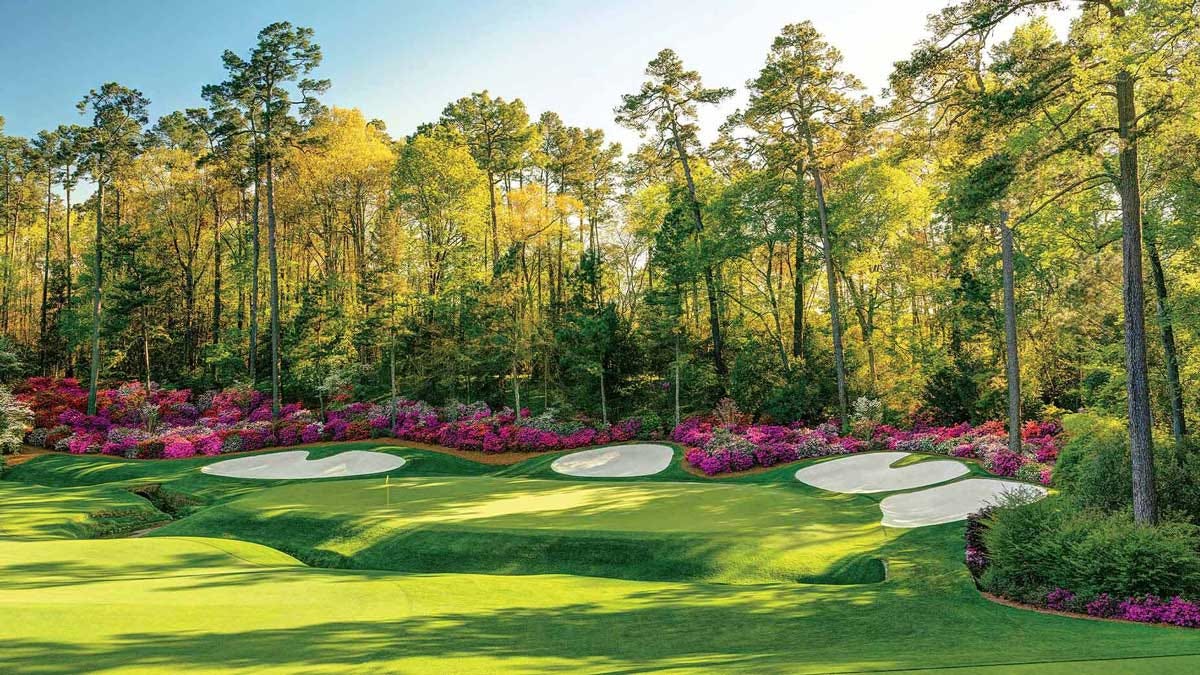
I’ll use the 13th hole at Augusta as an example because most people will be familiar with it from tv.
For the higher handicap, they can play a straight tee shot up to the edge of the corner without much risk but it will mean they can’t go for the green in 2 and will instead lay up short of the water with their 2nd shot and play the hole as a 3 shot par 5. With the approach shot - you have options, they can play beyond the flag, ensuring they clear the water in front of the green but that will leave a tricky downhill put back towards the water. So you can choose to play the hole conservatively but you’re unlikely to make birdie, in fact if you’re too conservative it makes it difficult to make a par.
For the elite player. They can hit a high draw off the tee (for a right handed player), cutting the corner and give themselves the opportunity to go for the green in 2. Then if they want to push for eagle, they will likely have to flirt with the water for their 2nd shot to get close to the flag and likely give themselves an uphill putt and a makeable eagle chance or they can choose to play towards the safety of the back of the green which means they likely won’t make eagle but will make a comfortable 2 putt birdie.
So there are at least 3 ways to play the hole whether your goal is to make par, birdie or eagle. You have options depending on your ability and how much risk you want to take on. An example of a great strategic hole.
Augusta is full of these great strategic holes and aside from the beauty (which we will get to) is one of the reasons it’s so highly rated.
Next time you’re playing a course, stand on each tee and ask yourself, are there multiple ways to play this hole depending on my skill level and how much risk I want to take? If not, the hole probably isn’t that great.
Naturalness and minimalism
- The best golf courses look like they were there forever
- It’s not about moulding the land to suit the course, you build the golf course around the land that already exists
- The best golf course architects are usually minimalists
- Natural holes tend to be more beautiful to the human eye
Sometimes you play a new golf course and it has big dramatic water features that just look out of place. You think this should be cool because who doesn’t love a big water feature? But if it doesn’t look like it should be there then it probably shouldn’t.
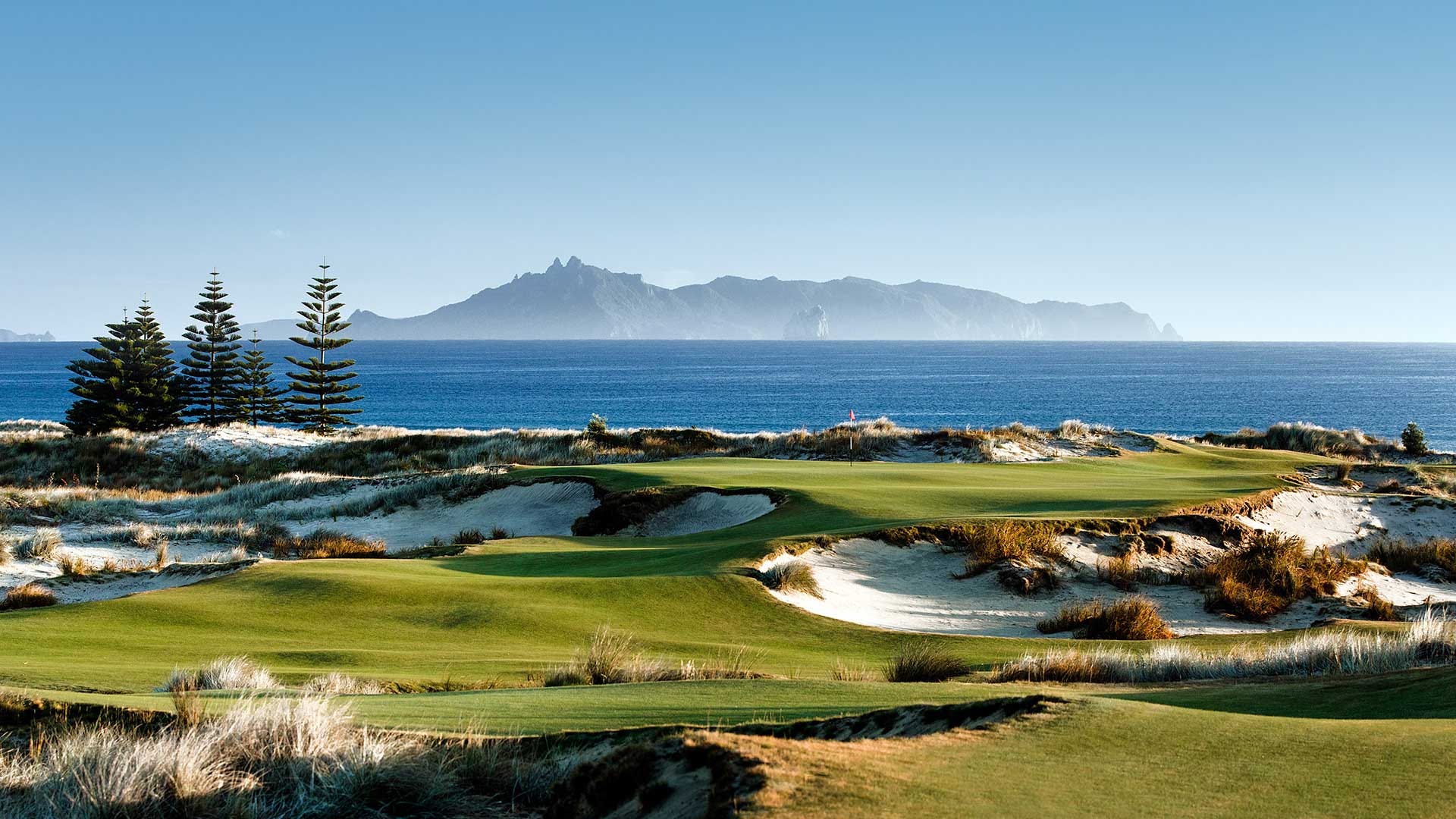
I haven’t played Tara Iti in New Zealand yet but it’s high up on my list. Tara Iti only opened in 2015 and is arguably the best new golf course in the world (along with Rosapenna St.Patrick’s) but if you look at the pictures of it, it looks like it’s been there for 100 years. The golf course has just been carved into the landscape and it doesn’t look like they added anything to the golf course, it looks like they just stripped back some land and found this golf course underneath.
It looks unbelievable.
Tara Iti, New Zealand
Variety without gimmickry
- There should be a good mix of long versus short holes
- Short par 3’s
- Par 5’s that tempt players
- Greens that differ in shape and contours
I’ll go back to Augusta for this one and specifically Amen Corner, the 11th, 12th and 13th holes - one of the most famous stretches of golf holes in the world (it was a guy called Herbert Warren Wind, an American sports writer at the time who named it Amen Corner). This is the perfect example of variety without gimmickry. The 11th hole is a long par 4 with a pond to the left of the green. The 12th is one of the most famous short 3 par’s in the world where swirling winds make club selection a nightmare, especially with the pressure of trying to win the Masters. Then we have the 13th, a reachable par 5 as discussed above. So we have a:
Long par 4
Short par 3
Short par 5
All one after another. You wouldn’t look at any of these holes and say that they’re silly and equally you’re not going to have the same shot on any of these 3 holes. It’s absolute genius from the men who built these holes.
How many times have you just played a standard golf course somewhere and just played the same 7 iron from the fairway with your 2nd shot, hole after hole? It’s boring and if I’m being harsh, it’s lazy course design. Now of course, not every course designer has the budget or the knowledge of Bobby Jones and Alister MacKenzie but you get my point.
The best golf courses have incredible variety where every hole presents you with a slightly different challenge and makes you think.
Interesting greens
- Top architects believe greens are the soul of the course
- They should inspire creativity - a flat circular green is just boring whereas greens with slopes and contours are exciting and get you thinking
- They should enable different pin positions that make a difference to how the hole plays
- They should punish wrong angles and ball flights into a green and reward good ones - this was the big thing I found when I played Royal Melbourne. I didn’t have control of my irons and I got heavily penalised, I couldn’t shape the balls correctly into the greens and my ball kept rolling off the greens
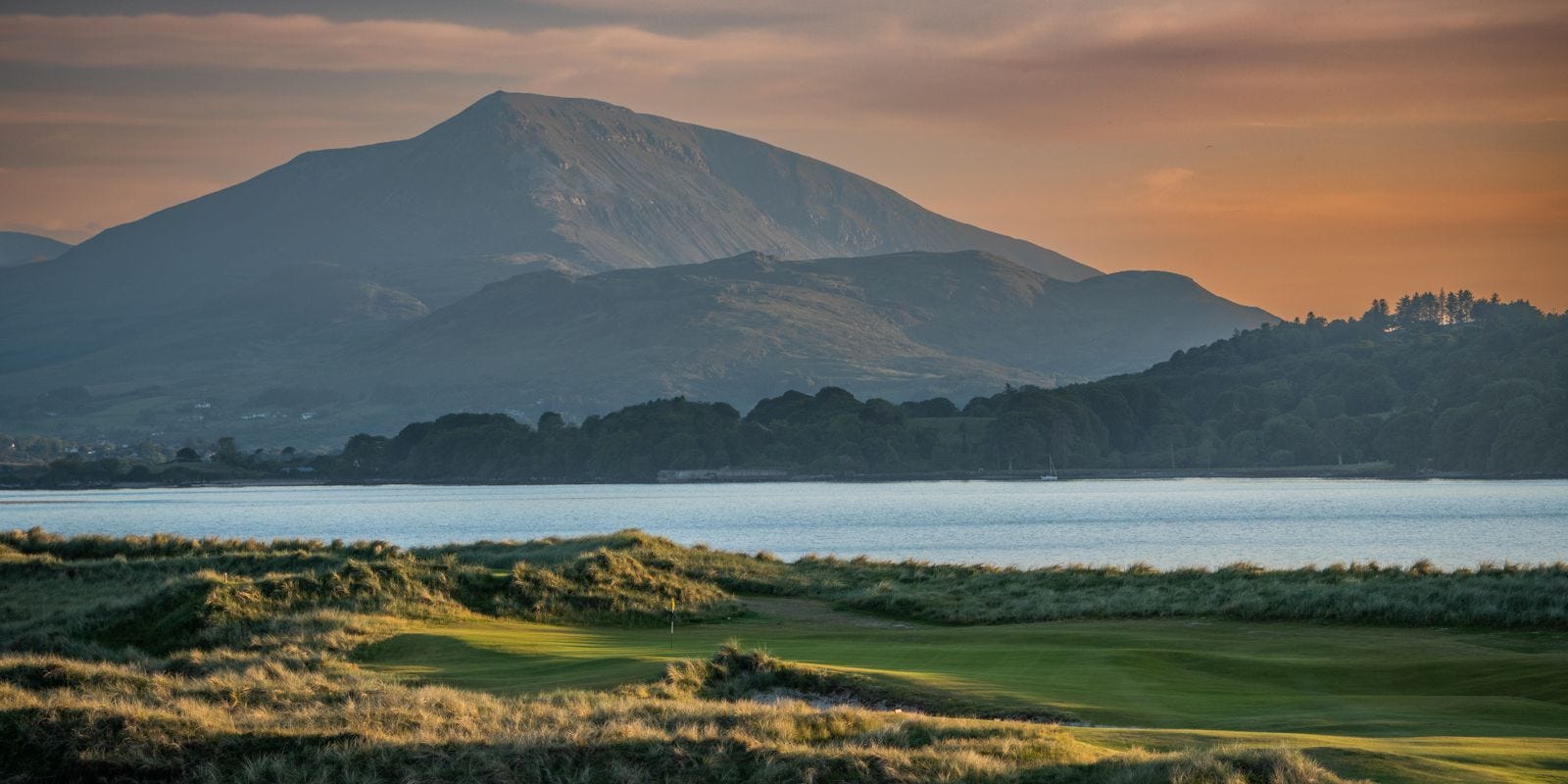
I played the new St.Patrick’s course at Rosapenna recently and was absolutely blown away by it. There were a few things that stood out to me but the biggest thing was probably the greens. I don’t think I’ve ever seen slopes like them on any golf course in the world - they were like what we see at the par 3 course at Augusta but on a full golf course. Most links greens repel balls away from the flag with big run offs but the slopes on St.Patrick’s greens bring the ball towards the flag. You can stand on the fairway 150 yards away and see these slopes so you think to yourself - “if I hit this just long right of this flag with a bit of draw, it will come back to the flag” then you try and hit that shot. It makes it so much more fun than just playing flat, boring greens.
St.Patrick’s was built by arguably the greatest living golf architect in the world, Tom Doak. The first Tom Doak course I played was St.Andrews Beach in Australia and the greens there were so similar. There are so many opportunities to use the slopes to your advantage.
Of course, this can go both ways - if you miss the slope then you can be left with an impossible putt. It’s a hard balance of trying to get this just right while not being gimmickry.
St.Patrick’s Rosapenna
Sense of place, emotional and aesthetic impact
- Generally speaking the best golf courses in the world are beautiful in some way
- Some are beside the sea, others in mountains, others set amongst trees but all beautiful or dramatic in some way
- There should be distinctive sight lines off tees
- You feel something just by walking around the golf course, it’s intangible but you feel it
This is the most obvious one for golfers. One of the first “great” courses I played was the Old Head of Kinsale when I was 21. It was immediately obvious the moment my two mates and I drove through the gates in my 2004 banged up Ford Fiesta that this was a special place - “caddying today lads?” asked the guy working at the gatehouse. “No we’ve actually got a 10:30 tee time” I responded with a cheeky smile.
The 1st hole at Old Head is nothing special but as you get out to the 2nd hole it becomes immediately obvious that this is a special place. To this day I don’t think I’ve seen a more spectacular piece of land for a golf course than the Old Head of Kinsale. It’s maybe the most dramatic golf course in the world and you can’t help but be blown away by it.
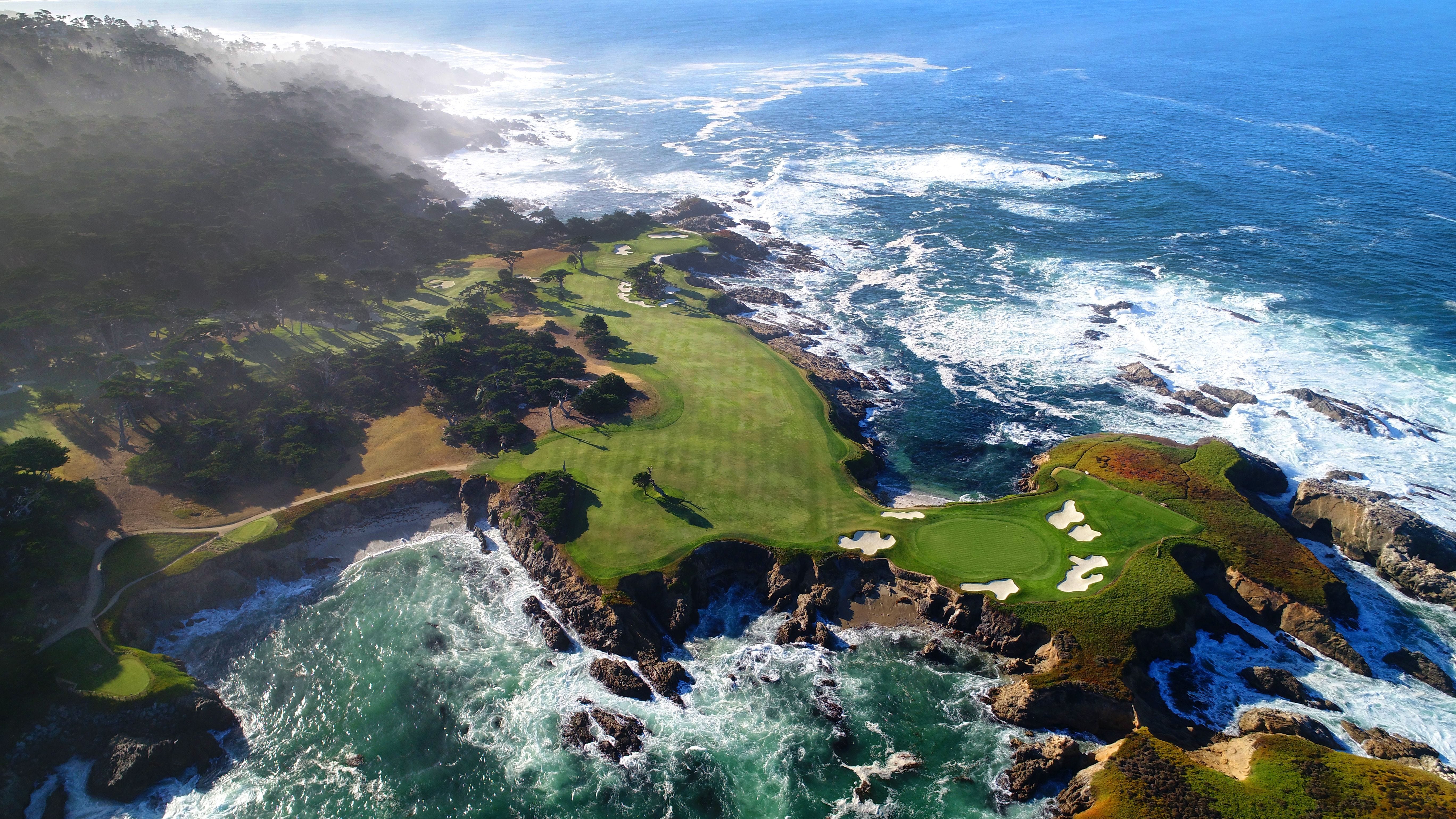
Cypress Point is often ranked as the best golf course in the world, when you see the 16th hole you can see why.
Cypress Point, California
Fun and playability
- Fun beats hard
- It should be challenging but it should be enjoyable
- You should be able to recover after a mistake
- There are exceptions, some courses like Oakmont pride themselves on being just hard and that’s fine every once in a while but that can get tiresome after a while
Think of the back 9 at Augusta, even though most people watching this video will likely never play it including me, it seems incredibly fun to play with risk and reward on nearly every hole. There’s slopes you can use in your favour but you can also get heavily punished if you miss them.
It should be fun for the elite player and the average player. Tom Doak, the greatest living architect in the world says himself he’s an average player just trying to break 90, he’s not elite and his golf courses cater for all types of players. Going back to the 2 courses that I’ve played - St.Andrews Beach in Australia and Rosapenna St.Patricks, they’re both quite wide off the tee so when you stand up on the tee you’re not particularly fearful, you can swing freely but equally, there are risks available if you want to take them.
Routing
- This might be the most boring for us but it does matter
- There shouldn’t be long walks between greens and tee boxes
- There should be a balance between calm and dramatic holes
- Golf courses should be walkable and not need a golf cart
- St.Andrews is known for its routing in that it’s a classic out and back routing
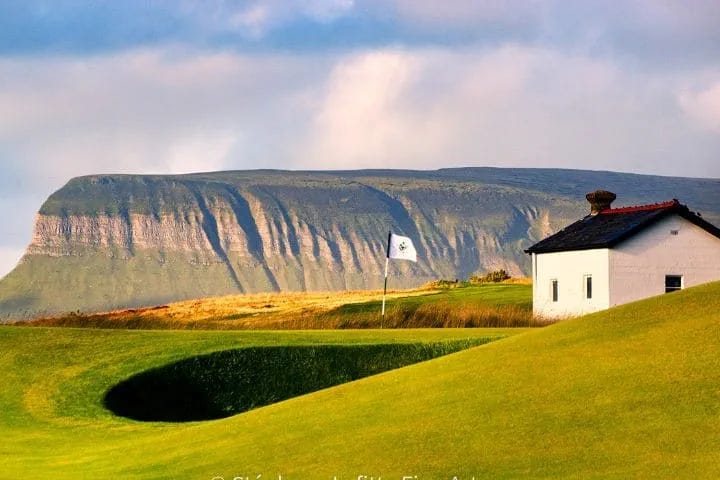
A good example of a course I played recently was County Sligo where the first 2 holes take you uphill but are still great golf holes and when you get there you get the most incredible views of the bay before you rush back down hill but it doesn’t feel forced, it feels like it’s how the golf course should be played.
A negative example of routing is a golf course in Ireland I played recently called Macreddin. It’s a beautiful parkland course set amongst the trees but the walks between greens and tee boxes are far too long so a golf cart is almost a requirement. Golf courses across the US are known for their “cart golf” style which is usually a negative because they have to build the golf course around the cart path rather than using the land to make the most out of the golf course.
The routing should be sensible and be well planned out.
County Sligo
Conditioning
Not necessarily the day to day condition of the course but rather the management of the land over time
Golf courses can get in great condition for a couple of weeks a year, i.e. for the captains prize or club championship but how is it managed over time?
Greens should value rolling well rather than just being fast. Speed can be dialled up and down depending on the time of year
Are the trees and bushes well kept or impeding on play?
Condition is often the first thing considered by the average golfer when looking at a golf course and this is understandable because it can be quite obvious whether it’s in great condition or not. Condition of the course will vary depending on the time of year so when factoring in the condition, yes you can judge it on how it was the day you played it but I played Royal Portrush a few weeks after the Open and there were parts of the course that had taken a beating from hosting 200,000+ spectators. It wouldn’t be right to hold that against them.
Instead, we’re looking at things like - how smooth were the greens rolling, not necessarily how fast they were or has the rough just been left unchecked or has it purposely been left a certain length.
Generally speaking, firm and fast conditions are more favourable than soft conditions but of course, depending on the year, this is not always possible.
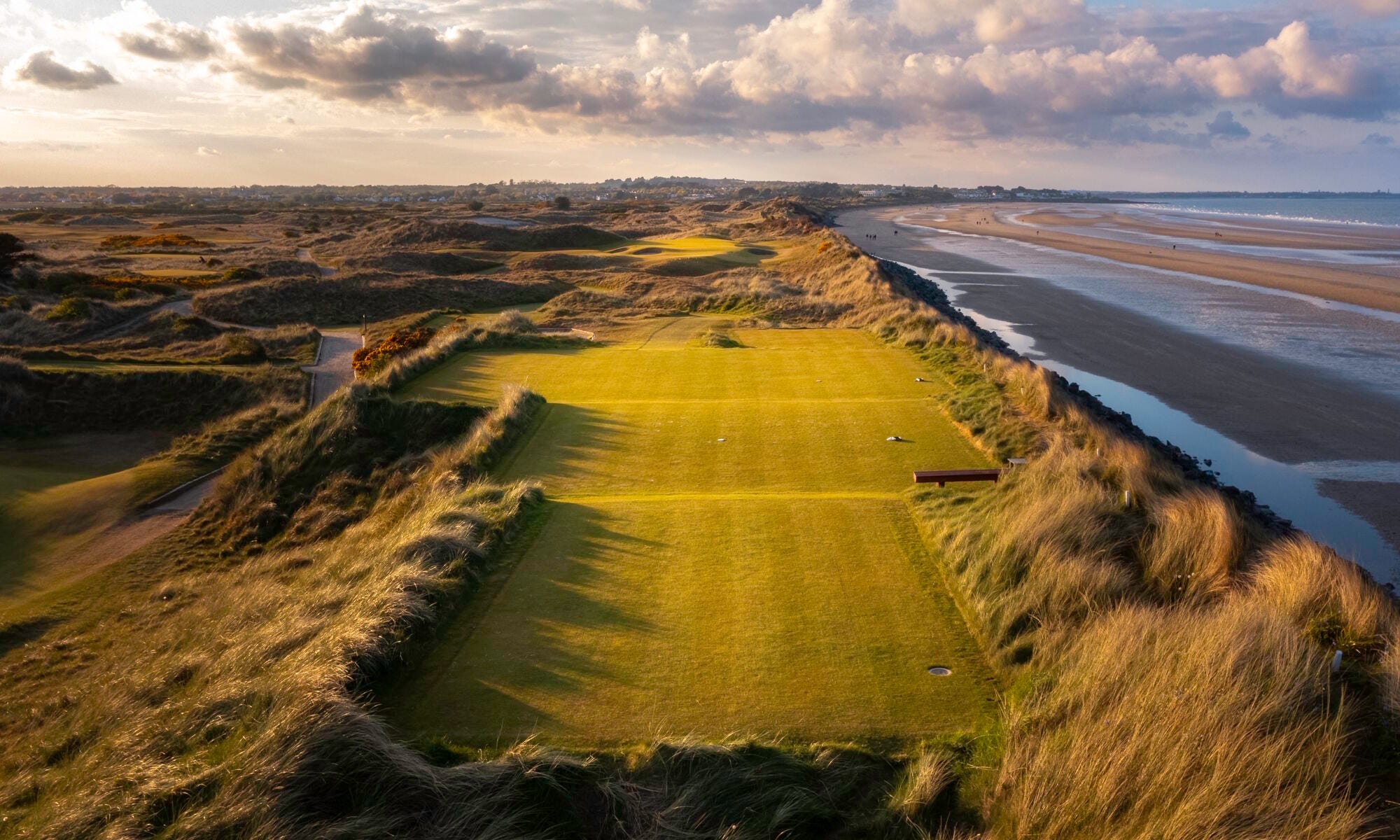
A great example of this is Portmarnock. I’ve played Portmarnock in the middle of winter and the middle of summer and I’ve been more impressed with it in the winter. It’s in phenomenal shape in the months of December and January. The rough isn’t as high during the winter as it is in the summer because there isn’t the same level of growth but the greens are so smooth and fairways in exceptional conditions.
Portmarnock, Dublin
The best golf courses in the world tick all of these boxes
Cypress Point
Augusta
Pine Valley
Royal County Down
St.Andrews
I hope this will be helpful and the next time you’re playing any golf course, use this checklist to help you figure out just how good the golf course is.
The caddie’s line: Statistically, if you’re an 18 handicap golfer, you will beat the tour average in putting 10% of the time but you will never beat a tour player in driving.
The read: John Daly - My Life in and out of the Rough: The Truth Behind All That Bull**** You Think You Know About Me. You can get it here.
Hot dogs at the turn?